
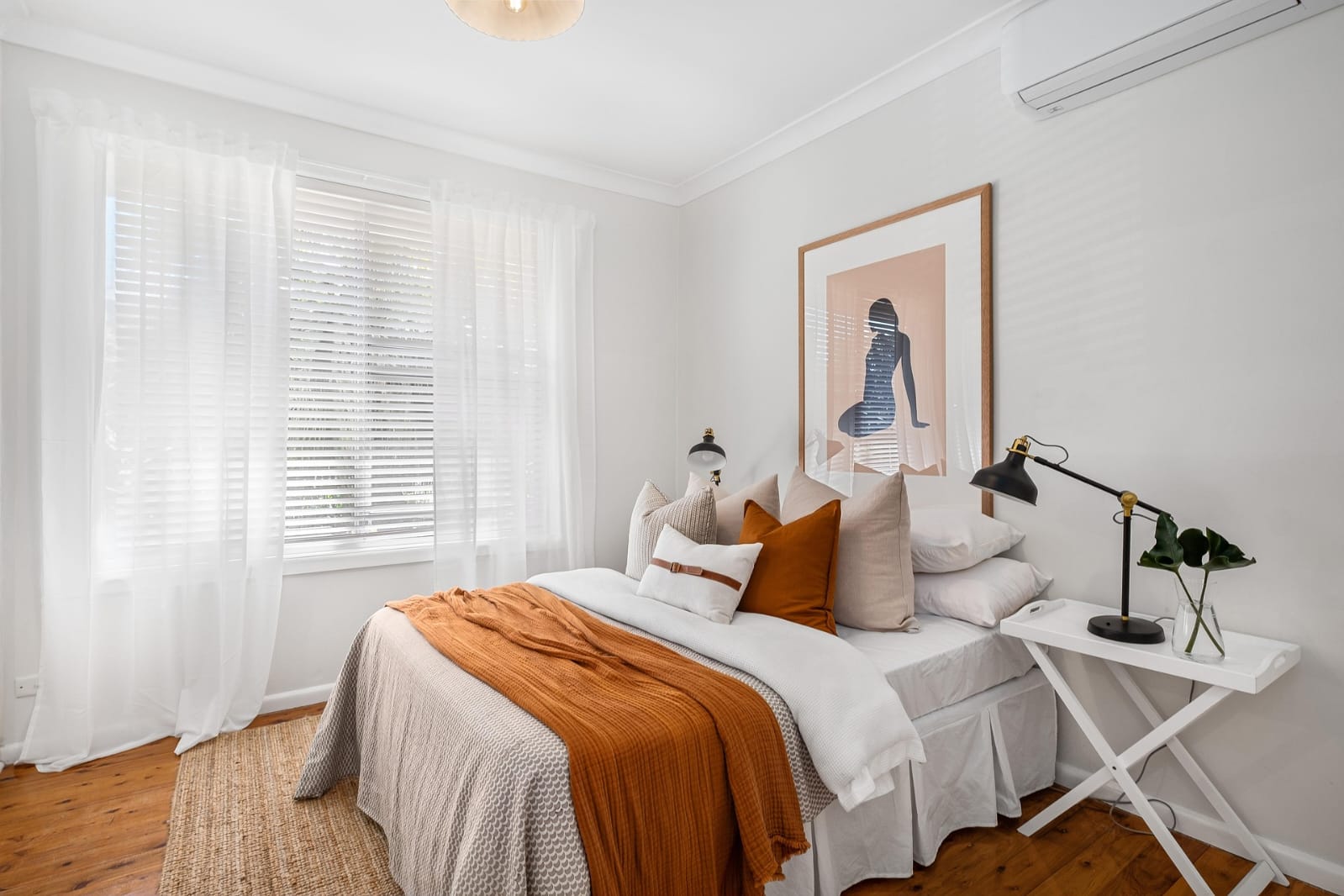
A bedroom should feel personal from the moment you enter it. Unlike other areas of a home that are designed around activity and interaction, the bedroom is primarily a space for rest, privacy, and personal comfort. Its design can influence the atmosphere of the entire home by creating a calm environment where you can disconnect from the demands of everyday life.
At Tejaswini Design, bedroom interiors are developed around the individual. From the arrangement of furniture and lighting to colors, textures, storage, and architectural details, every element can be carefully planned to create a comfortable and sophisticated retreat.
Begin With Comfort
Comfort should be at the heart of bedroom design. The position of the bed, bedside tables, wardrobe, dressing area, and circulation space can determine how naturally the room functions.
A well-planned layout provides enough movement around the furniture without making the bedroom feel empty or overcrowded. The bed should remain the visual focus while other elements support the overall composition.
Different lifestyles require different solutions. A master bedroom may need a larger wardrobe and private dressing area, while a guest bedroom may prioritize simplicity and flexibility. Children’s and teenagers’ bedrooms may require additional storage, study areas, and adaptable furniture.
Choose Calming Colors
Color has an important role in creating the mood of a bedroom. Soft neutrals, earthy shades, muted greens, warm whites, and subtle tones can create a relaxed atmosphere. Deeper shades can be introduced through accent walls, upholstery, artwork, or decorative elements.
The objective is not necessarily to follow a particular color trend. Instead, colors should complement the natural light, furniture, flooring, and overall character of the property.
A Luxury Interior Designer in Noida can help develop a cohesive color and material palette that gives the bedroom a sophisticated appearance without making it feel overly decorated.
Layered Bedroom Lighting
A single ceiling light is rarely enough to create a comfortable bedroom. Different lighting layers can provide flexibility throughout the day.
Bedside lamps can offer soft illumination for reading, while concealed lighting can highlight wardrobes, wall panels, or architectural features. Pendant fixtures and decorative lights can add personality, while dimmable lighting allows the atmosphere to be adjusted according to the time and activity.
Natural light should also be considered. Window placement and curtain design can help control brightness, privacy, and ventilation while maintaining the desired visual character.
Smart Storage Planning
Storage is essential for maintaining a calm bedroom environment. Clothing, accessories, footwear, linens, books, and personal belongings all require appropriate places.
Built-in wardrobes can use wall space efficiently, while internal drawers, shelves, hanging sections, and accessory organizers can improve functionality. A dressing area can be incorporated where space permits.
For larger bedrooms, storage can be integrated into architectural elements rather than treated as separate furniture. This creates a cleaner appearance and helps maintain visual continuity.
A Residential Architect in Noida can coordinate wardrobe zones, dressing areas, electrical points, windows, and room proportions as part of the broader residential plan.
Architecture And Interiors
The bedroom should complement the architecture of the home. Ceiling height, window proportions, wall treatments, flooring, doors, and built-in elements all influence the final design.
A House Design Architect in Noida can develop the architectural framework while interior design adds the details that personalize the space.
For example, a feature wall behind the bed can become an architectural focal point. Wooden panels, textured surfaces, upholstered finishes, or subtle decorative treatments can create depth without overwhelming the room.
The relationship between furniture and architecture is equally important. Bedside units, wardrobes, dressing tables, and seating should be proportionate to the room and arranged to maintain comfortable circulation.
Bedrooms With Personality
A bedroom does not have to look like a showroom. Personal elements are what make the space feel truly yours. Artwork, photographs, books, accessories, textiles, and meaningful objects can add character.
The key is balance. Too many decorative elements can make the room feel visually busy, while a completely minimal space may lack warmth. Thoughtful styling can create an environment that feels sophisticated yet lived-in.
For luxury bedrooms, premium fabrics, customized furniture, natural materials, statement headboards, and carefully selected accessories can add depth and individuality.
Commercial Hospitality Bedrooms
Bedroom design is also important in hotels, serviced apartments, guest houses, and other hospitality environments. Here, comfort must be combined with durability, maintenance, operational requirements, and a consistent visual identity.
A Commercial Architect in Noida can help plan hospitality bedrooms around circulation, furniture placement, lighting, storage, bathrooms, service requirements, and overall guest experience.
In hospitality projects, the bedroom should communicate the character of the property while providing a comfortable environment for visitors.
Creating A Personal Retreat
The best bedroom designs are not necessarily the most elaborate. They are the ones that understand how people want to feel when they enter the room.
Comfortable proportions, calming colors, practical storage, layered lighting, quality materials, and personalized details can work together to create a space that feels peaceful and refined.
At Tejaswini Design, the focus is on developing bedrooms that reflect individual lifestyles while remaining connected to the architectural language of the property. From a contemporary master bedroom to a compact guest room or a sophisticated hospitality suite, thoughtful planning can transform an ordinary room into a memorable retreat.
A bedroom should ultimately be more than a place to sleep. It should be a private environment designed around comfort, individuality, and everyday living.