
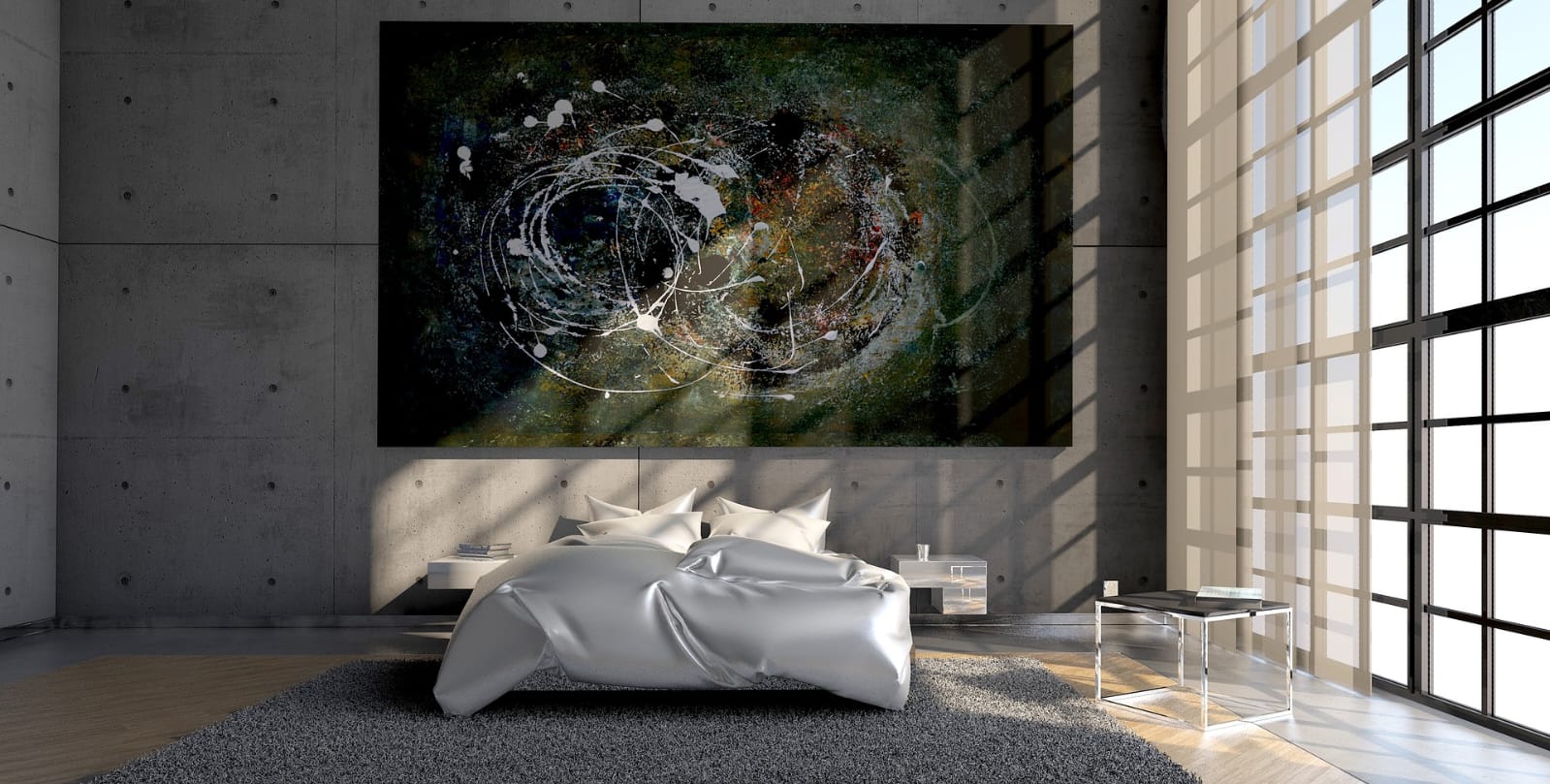
A bedroom is one of the most personal spaces in any home. It is where the day begins and ends, where personal belongings are kept, and where moments of quiet take place away from the activity of the rest of the house. Designing this space successfully requires more than choosing a beautiful bed or attractive wall color. It requires an understanding of comfort, movement, lighting, storage, privacy, and individual lifestyle.
At Tejaswini Design, bedroom interiors are developed to create a balance between visual elegance and everyday comfort. Each element, from the room’s layout to its smallest decorative detail, can contribute to a peaceful and cohesive environment.
Understanding Personal Needs
Every bedroom has a different purpose. A master bedroom may require a spacious wardrobe, dressing area, reading corner, or private balcony. A guest bedroom may need a simpler arrangement that feels welcoming and adaptable.
Children’s and teenagers’ bedrooms have their own requirements, often combining sleeping areas with study spaces, storage, and recreational zones.
Understanding these needs before beginning the design process helps create a room that works naturally. Furniture should be selected according to the room’s dimensions, while circulation should remain comfortable even after wardrobes, tables, and seating are introduced.
Creating A Calm Palette
The bedroom should have a visual atmosphere that encourages relaxation. Neutral shades, earthy colors, warm whites, muted tones, and soft textures can create a calm foundation.
Color does not have to be limited to the walls. Curtains, bedding, rugs, upholstery, artwork, and accessories can introduce subtle variations and depth.
A Luxury Interior Designer in Noida can develop a coordinated palette where materials, colors, textures, and furniture complement one another without making the bedroom feel overly decorated.
Furniture With Purpose
Every piece of bedroom furniture should have a reason for being there. The bed naturally becomes the focal point, but bedside tables, wardrobes, dressers, seating, and study furniture should support the overall layout.
Oversized furniture can make a smaller bedroom feel restricted, while undersized pieces may leave a large room feeling disconnected. Proportion is therefore an important part of bedroom planning.
Custom furniture can also provide solutions where standard pieces do not fit the room effectively. Built-in wardrobes, floating bedside units, window seating, and integrated dressing areas can help use available space more efficiently.
Lighting For Every Mood
Bedroom lighting should be flexible rather than relying on one central fixture. Different layers can support different activities throughout the day.
Bedside lamps can provide focused light for reading. Concealed LED lighting can highlight wall panels or wardrobes, while decorative fixtures can add character. Dimmable lighting can help create a softer atmosphere in the evening.
Natural light is equally important. Window placement, curtains, blinds, and glazing can be planned to balance daylight with privacy.
A thoughtful lighting plan can make the same bedroom feel bright and energetic during the morning and calm and intimate at night.
Storage Without Visual Weight
A peaceful bedroom is easier to maintain when storage is planned properly. Clothing, shoes, accessories, linens, books, and personal items all need designated spaces.
Floor-to-ceiling wardrobes can maximize vertical storage, while internal organizers can make drawers and shelves easier to use. Concealed storage can help maintain clean visual lines.
A Residential Architect in Noida can coordinate bedroom storage with the architectural layout, ensuring that wardrobes, doors, windows, electrical points, and circulation work together.
Architecture Meets Comfort
The architecture of a bedroom influences its character. Ceiling height, window proportions, wall openings, flooring, and built-in elements all contribute to the final atmosphere.
A House Design Architect in Noida can create architectural features that give the bedroom a distinctive identity. A carefully designed headboard wall, recessed niche, feature ceiling, or integrated window seat can become a functional architectural element rather than simply decoration.
The relationship between the bedroom and adjoining spaces should also be considered. Dressing rooms, bathrooms, balconies, and corridors can be connected in a way that improves privacy and everyday convenience.
Designing Hospitality Bedrooms
Bedroom design is also central to hotels, resorts, serviced apartments, and guest accommodations. In these projects, comfort needs to be combined with durability, maintenance, operational requirements, and a consistent design language.
A Commercial Architect in Noida can help plan guest rooms around furniture placement, circulation, lighting, storage, bathroom access, and service requirements.
In hospitality interiors, the bedroom should communicate the identity of the property while creating a comfortable experience for visitors.
Details Create Identity
The personality of a bedroom often comes from small details. A distinctive headboard, textured wall, carefully selected artwork, custom bedside furniture, soft curtains, or layered fabrics can make the room feel individual.
These elements should complement one another rather than compete for attention. A restrained combination of textures can often create more sophistication than excessive decoration.
Personal objects can also play an important role. Books, photographs, artwork, travel pieces, and meaningful accessories can make the bedroom feel connected to its occupant.
Designing For Everyday Life
A successful bedroom should look beautiful but also feel effortless to use. There should be enough space to move around the bed, convenient access to storage, appropriate lighting, and a comfortable relationship between all major furniture pieces.
At Tejaswini Design, bedroom interiors are planned around these practical details while maintaining a refined visual identity. The aim is to create rooms that are not only attractive but also genuinely comfortable to live in.
Whether it is a sophisticated master suite, a compact urban bedroom, a guest room, or a hospitality project, thoughtful planning can transform the bedroom into a private retreat.
The best bedroom design is ultimately one that reflects the person who lives there. When architecture, interiors, lighting, materials, and personal details come together, the result is a space that feels comfortable, distinctive, and timeless.