False Ceiling Design: The Ultimate Guide to Types, Materials, Costs & Modern Ideas
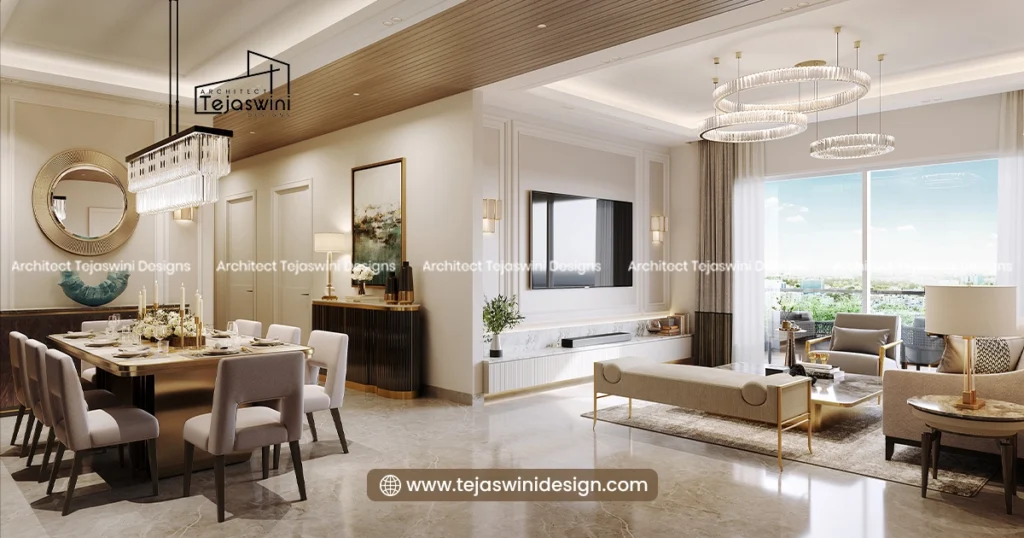
False Ceiling Design: The Ultimate Guide to Types, Materials, Costs & Modern Ideas Poor ceiling design can make even premium interiors look incomplete but not anymore. At Architect Tejaswini Designs, we provide the perfect solution to transform any room into a premium, aesthetic and royal-looking space. A false ceiling design not only enhances beauty but also uplifts the entire interior without burdening your pocket. But before starting the installation, you must understand the types, materials, costs and modern ideas of false ceilings. Proper planning saves both time and money.In this ultimate guide, we cover everything about false ceiling design, its benefits, ideas, types and price in India. What is a False Ceiling Design & Why It Matters? A false ceiling is a secondary ceiling installed below the main structural ceiling of a room. Also known as a suspended ceiling or dropped ceiling, it adds an extra layer that makes your home look premium, modern, and stylish. Today, false ceilings are widely used in homes, offices, hotels, and commercial spaces because of their decorative and functional benefits. A well-planned ceiling designed by a luxury interior designer in Noida can dramatically improve both style and functionality. Benefits of False Ceiling Design 1. Aesthetics One of the biggest reasons homeowners prefer false ceilings is the dramatic visual transformation they offer.A simple room can instantly turn premium with layered designs, curves, lighting effects, and decorative patterns. A well-designed false ceiling can completely change a dull room into a luxury-looking one. 2. Lighting Enhancement A false ceiling allows modern lighting techniques like: Cove lighting Recessed lights LED strips Spotlights These lights create a soft, evenly distributed glow and elevate the ambiance. You can also highlight décor elements more effectively. 3. Concealing Wiring & Ducts False ceilings hide: Electrical wiring AC ducts CCTV cables Plumbing lines This creates a clean, polished look while ensuring safety and easy maintenance through access panels. 4. Thermal & Acoustic Insulation The gap between the main ceiling and the false ceiling works as a natural insulator. It helps: Keep rooms cooler in summer Warmer in winter Reduce electricity consumption Improve acoustics and reduce echo Types of False Ceiling Designs Choosing the right ceiling type is essential because each room has different needs. Here are the most popular options: 1. POP False Ceiling POP (Plaster of Paris) is one of India’s oldest and most popular ceiling materials. People prefer it because: It gives a smooth, seamless finish It is affordable Skilled artisans can create beautiful patterns like floral, geometric, borders, or 3D textures Once painted, POP ceilings look extremely clean and luxurious. If you’re considering decorative ceiling work, our detailed guide on POP false ceilings explains costs, advantages, and design options for homeowners. 2. Gypsum False Ceiling For modern interiors, gypsum ceilings are the most preferred. They are widely used in: Homes Corporate offices Hotels Before finalizing your ceiling design, read our guide on gypsum false ceiling designs to understand why they are popular in modern homes and offices. Gypsum is the first choice of architects because it is: Lightweight Durable Quick to install Cost-effective Perfect for clean, minimalist designs 3. Wooden False Ceiling Wooden ceilings add warmth, richness, and a premium feel. Wood is timeless, and when used on ceilings, it elevates the character of the entire room. This ceiling is ideal for: Premium living rooms Bedrooms Hospitality spaces 4. Metal & PVC Ceilings Metal and PVC ceilings are highly durable and commonly used in: Commercial spaces Industrial areas Kitchens and bathrooms (PVC) They are: Moisture-resistant Fire-resistant Pest-resistant Easy to maintain False Ceiling Design Ideas for Every Room Every room has different requirements. Here are the best ideas room-wise: False Ceiling Design for Living Room Your living room is the center of your home — where guests come and your family spends time together. False ceilings work best when combined with the right living room interior design ideas that enhance space and lighting. Best designs for 2026: Layered ceiling Cove lighting Statement ceiling Gypsum + wooden combinations Modern geometric patterns These make the living room bold, premium, and impressive. Bedroom False Ceiling Design Your bedroom should feel peaceful and relaxing. Ideal options: Simple cove ceiling with warm lights Tray ceiling Wooden panel ceiling Minimal linear lighting patterns These designs make the room cozy, romantic, and calming. Pairing the right false ceiling with thoughtful bedroom interior design ideas creates a calm and relaxing ambience. Kitchen Ceiling Design In the kitchen, practicality is as important as style. Heat, steam, moisture, and grease affect ceilings quickly, so material choice is critical. Best ceiling materials for kitchens: Moisture-resistant gypsum board PVC false ceiling These resist moisture, are easy to clean, and stay durable for years. A false ceiling enhances overall kitchen aesthetics when paired with modern modular kitchen design ideas. Office / Commercial Spaces Offices need a functional and professional look. Best options: Grid false ceilings Acoustic panel ceilings LED integrated ceilings Linear gypsum ceilings These improve productivity, reduce noise, and create a corporate ambience. Latest False Ceiling Design Trends of 2026 Interior design trends evolve every year. Here are the top trends for 2026: 1. Minimal & Clean Line Ceilings Simple, clean, clutter-free ceilings with straight lines are trending. They look premium and never go out of style. 2. Cove & Indirect Lighting Warm cove lights and golden LED strips make homes look luxurious and elegant. 3. Smart Lighting Integration 2026 is the era of smart homes.You can now control your ceiling lights using: Smartphone Voice assistant (Alexa, Google Home) You can adjust brightness, colour temperature, and lighting mood instantly. 4. Wooden + Gypsum Mix Combining warm wooden textures with smooth gypsum creates a sophisticated contrast. This trend works beautifully in: Living rooms Bedrooms Dining spaces 5. Geometric & Layered Ceilings Geometric patterns and carefully balanced layers add depth without making the ceiling heavy. Perfect for living rooms and reception areas. False Ceiling Cost in India (2026) Here is a clear and simple cost breakdown: POP False Ceiling: ₹80–₹150/sq ft Affordable and ideal
How to Choose a Luxury Interior Designer in Noida (2026 Guide)
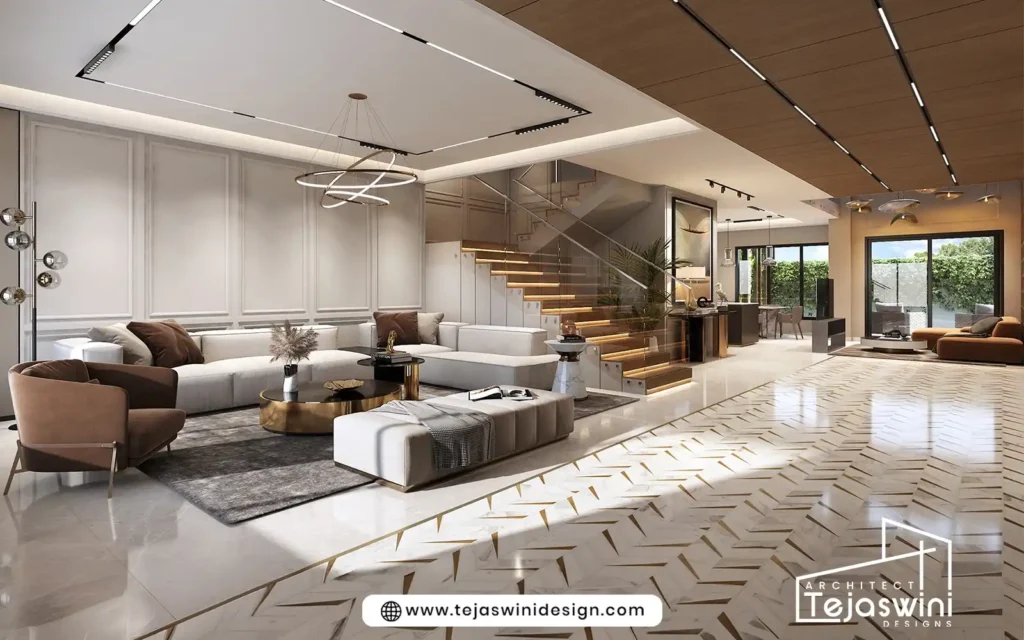
Latest Interior Design Trends in Noida HomesHow to Choose a Luxury Interior Designer in Noida(2026 Guide) At last, you have discovered the house of your dreams. Walls are prepared. The rooms are vacant. And here comes the most exciting and most confusing part: to make it look in the way you had dreamed. Finding a luxury interior designer in Noida that fits you can mean the difference between a home that you love to wake up in every morning and one that just feels off. This blog will take you through all you should know before signing any contract. The importance of getting the right interior designer Suppose you invest lakhs in renovation only to find out six months later that the layout is not right, the furniture is not fitting, or the colours are not matching in daylight. This occurs more than you believe- and nearly always due to homeowners hurrying the hiring process. An experienced interior designer in Noida is not merely someone who picks furniture and paint colours. They know space, light, your way of life and your budget. They can save you time as well as money and the hassle of having to make hundreds of decisions yourself. Noida is a fast-growing area. Every year, new residential developments, luxury apartments and modern villas are emerging. It also implies that hundreds of designers are putting their services forward. Then how do you locate the best interior designer in Noida to do your home? The main Factors to be taken into consideration 1. Experience and Portfolio Begin with a review of their interior design portfolio. A good interior designer in Noida will possess a good portfolio – pictures of works done, a range of designs and actual client testimonials. You should not merely look at beautiful pictures. Ask yourself: Does their style suit what I would like? Have they done similar-sized and budget homes? Residential project experience is more important than the long list of office makeovers when you are making a change to your home. 2. Budget Transparency It is one of the greatest errors of homeowners not to discuss money in the first place. The interior designer in Noida will be honest about their charges, whether they charge a rate to the project cost or per square foot. Request a breakdown of costs in great detail prior to any work commencing. Any good interior designer in Noida will never conceal expenses, and will never spring on you unexpected costs at the very end. Would you like to know how much it would cost to design a house in Noida? Before you start, read our complete cost breakdown guide. 3. Personal Fit and Design Style Each designer has their own style. Others are fond of minimalistic spaces. Some are inclined towards the extremist, maximalist appearance. The interior designer that you need in Noida is a person who can listen to what you want and not just the person who is pushing his or her aesthetic. In the first meeting, express your thoughts, sources, and inspiration. See how well they respond. Are they enthusiastic about your vision or attempting to change your mind right now? 4. Pre-Hiring Questions to Ask One of the best interior designer selection tips you will ever take to heart is asking the right questions before you hire. The most significant ones are the following: ● Are you willing to provide me with your current portfolio and clients? It informs you of their actual level of work, not only about what they put on their Instagram feeds. ● What do you do about project timelines and project delays? Good designers will have a strategy to deal with unforeseen circumstances. When they are not able to answer this clearly, then that too is a red flag. ● Who will be doing my project – you or your team? Among the major questions to pose to an interior designer before hiring is whether the person you are talking to is the same person undertaking the work. ● What will occur in case we exceed the budget? Being aware of this in advance saves numerous quarrels in the future. ● What is your communication with the clients throughout the project? Updates are in order. Weekly calls, WhatsApp updates, or even visits to the site – be sure that your expectations are in line with them. The above are some of the questions to ask an interior designer before you spend a single rupee to know their work style and whether they fit best. Red Flags to Avoid Even the most lovely designer can prove to be the wrong one. Be alert of the following warning signs: No written contract. An authentic interior designer in Noida will never fail to provide you with a signed agreement that includes the scope of work, timelines, and payment terms. Vague pricing. In case they are unable to provide you with a clear cost estimate, you should walk away. No references. Any professional designer must have previous customers who will be happy to talk with you. Pressure tactics. When someone is urging you to sign or pay a hefty advance and immediately talk about the specifics, this is a red flag. Poor communication. They may take days to respond, before the project even starts, so you can only imagine how it will turn out once the work begins. Before hiring an interior designer, decide whether you prefer modular solutions or fully customized designs. Our guide on modular vs custom interiors can help you understand which option best suits your lifestyle, budget, and space requirements. The Process: How Interior Designers Work in Noida Knowing the design process will assist you in making realistic expectations. The majority of interior designers in Noida adhere to the following steps: 1. First consultation – You tell about your vision, budget, and requirements. This is normally free or cheap. Make a free appointment here. 2. Concept Development – The designer will develop mood boards, layouts, and